The Power of Mobile Marketing: Strategies That Work
Reach Your Customers Anytime, Anywhere with Effective Mobile Marketing Strategies

As a business owner, I've learned that mobile marketing is not just a trend—it's an essential part of reaching customers where they are, at any time. With people constantly on their phones, it’s no wonder that mobile marketing has become a powerful way to connect with customers and grow your business.
Whether it’s sending a text message, creating mobile-friendly ads, or optimizing your website for mobile use, mobile marketing strategies can make all the difference in keeping your business top-of-mind.
Let me walk you through some of the strategies I’ve used that have made a big impact.
Why Mobile Marketing?
First, let’s talk about why mobile marketing is so important. More than half of internet traffic now comes from mobile devices. Whether it’s scrolling through social media, shopping online, or checking emails, people are using their phones for everything. This means if your business isn’t optimized for mobile, you’re missing out on a huge audience.
For me, the moment I optimized my marketing efforts for mobile, I started seeing better engagement and more leads. It’s clear: mobile is where your customers are, and that’s where you need to be too.
SMS Marketing: Direct and Personal
One of the simplest and most effective mobile marketing strategies I’ve used is SMS marketing. With text messaging, I can send personalized messages directly to my customers' phones. Whether it’s a special offer, a reminder, or a product update, SMS helps me stay in touch in a way that feels direct and personal.
What I love most about SMS marketing is the immediate response. Since people check their phones constantly, SMS messages are often read within minutes. It’s quick, it’s effective, and it works.
Pro Tip: Always include a strong call to action in your SMS messages, like “Click here to shop now” or “Reply to book your appointment today!”
Mobile-Friendly Websites: Make Navigation Easy
I can’t stress enough how important it is to have a mobile-friendly website. Your website should load quickly and be easy to navigate on a phone. No one wants to pinch and zoom just to read tiny text or click tiny buttons. If your website isn’t optimized for mobile, you’ll lose potential customers before they even get a chance to learn about your products or services.
When I revamped my website to be mobile-friendly, I noticed a big difference. My bounce rate went down, meaning fewer people left my site right away, and more people stayed and explored my offerings.
Mobile Ads: Targeting the Right People
Running ads that are optimized for mobile devices has been another great way to reach new customers. Whether it’s Facebook, Google, or Instagram ads, making sure that my ads are mobile-friendly has helped me reach people who are on the go.
What’s great about mobile ads is that they can be highly targeted. I can choose who sees my ads based on location, interests, or even behaviors. For example, if I want to promote a local sale, I can make sure that only people in my city see the ad. The more targeted the ad, the better the results.
Social Media: Meeting Customers Where They Are
Social media is a huge part of mobile marketing. Platforms like Instagram, Facebook, and TikTok are all accessed primarily on mobile devices. To me, social media isn’t just a place to post updates—it’s where I can engage with customers in real-time.
I’ve found that using a combination of Instagram stories, Facebook posts, and interactive content (like polls or questions) keeps my audience engaged and coming back for more. Social media helps me build relationships, and in turn, I see more loyalty and repeat business.
Pro Tip: Use social media ads to boost posts that are performing well organically. This helps you reach an even larger audience and maximize engagement.
Location-Based Marketing: Be Relevant
Another cool strategy I’ve found useful is location-based marketing. With geofencing technology, I can send ads or notifications to customers when they’re in a specific area. For example, if a customer is near my store, they’ll receive a notification about an in-store promotion. It’s all about being relevant in the right place at the right time.
It’s like saying, “Hey, you’re close by! Why not stop in and check out what we have today?” This has been a game-changer for driving foot traffic to my business.
Mobile Apps: Engaging Your Audience
If your business can benefit from it, having your own mobile app can really take your mobile marketing to the next level. With an app, you can offer exclusive deals, send push notifications, and keep customers engaged with loyalty programs.
While I haven’t developed an app for my business just yet, I’ve seen other businesses use apps to create a personalized experience for their customers. It’s a great way to keep your brand in your customer’s pocket, literally!
Conclusion
Mobile marketing is all about meeting your customers where they are—and today, that’s on their phones. By using strategies like SMS marketing, mobile-friendly websites, and social media engagement, you can build stronger connections with your customers and boost your business’s success.
If you haven’t started optimizing your marketing for mobile yet, now is the time. At RuFire Media, we specialize in helping businesses like yours develop powerful mobile marketing strategies that get results. Ready to take the next step? Give us a call at 813-536-3942 or visit www.RuFireMedia.com to learn more about how we can help you grow.
Ready to work with RuFire Media?
Let's connect! We’re here to help.
Send us a message and we’ll be in touch.
Or give us a call today at 813-536-3942
Agency Contact Form
More Marketing Tips, Tricks & Tools

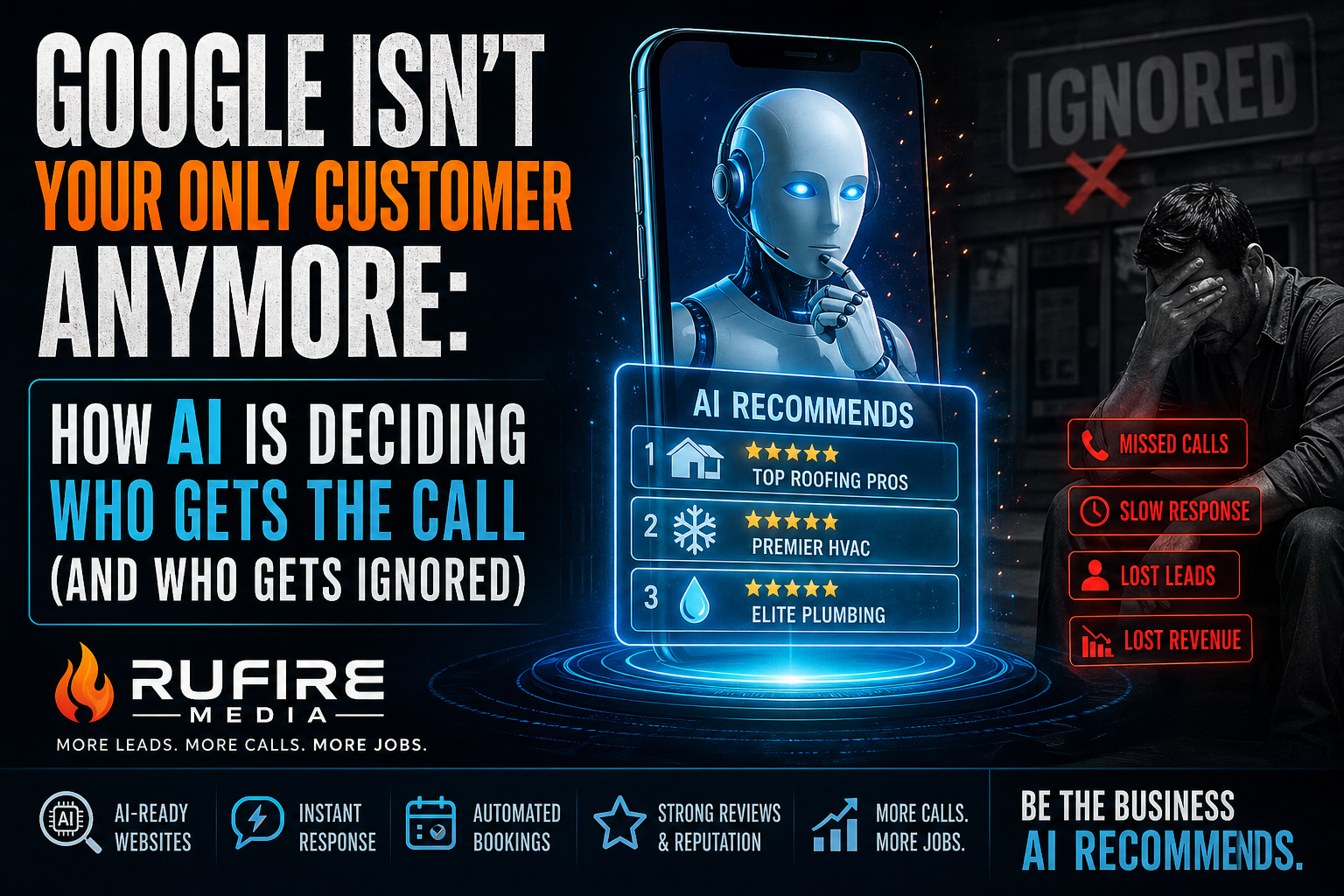
Google Isn’t Your Only Customer Anymore: How AI Is Deciding Who Gets the Call (And Who Gets Ignored)