Leveraging Digital Marketing to Transform Small Business Growth in 2024
Mastering the Digital Frontier:
Essential Strategies for Small Business Success in 2024

Introduction:
In today’s fast-paced digital landscape, small businesses must embrace a variety of digital marketing strategies to remain competitive and relevant. As we move through 2024, the digital marketing realm continues to evolve, bringing new opportunities for small businesses to thrive. This comprehensive guide will explore the key digital marketing strategies that small business owners should leverage, including SEO (Search Engine Optimization), social media marketing, content marketing, email marketing, and more.
SEO: The Keystone of Digital Visibility
Search Engine Optimization, or SEO, remains a cornerstone of digital marketing. It’s the art and science of enhancing your online presence to rank higher in search engine results. For small businesses, SEO is crucial because it levels the playing field against larger competitors by boosting visibility without the need for large advertising budgets.
- Keyword Optimization: Identify and utilize keywords that potential customers are searching for. Tools like Google Keyword Planner or SEMrush can help uncover these valuable terms.
- Local SEO: For small businesses, local SEO is vital. Ensure your business is listed on Google My Business, and focus on local keywords to attract nearby customers.
- On-page Optimization: Enhance your website’s content by optimizing title tags, meta descriptions, and headers for your target keywords. This not only helps with SEO but improves user experience.
The Power of Content Marketing
Content marketing involves creating valuable and relevant content to attract and engage a targeted audience. It’s a powerful strategy that builds brand trust, improves conversions, and enhances your SEO efforts.
- Blogging: Regularly updated blogs that provide useful information can position your business as an industry leader and drive organic traffic to your website.
- Video Content: Videos are highly engaging and can significantly increase the amount of time visitors spend on your site. Platforms like YouTube also offer excellent opportunities for visibility.
- Infographics and eBooks: These can be used to provide valuable information that encourages shares and downloads, further expanding your brand’s reach.
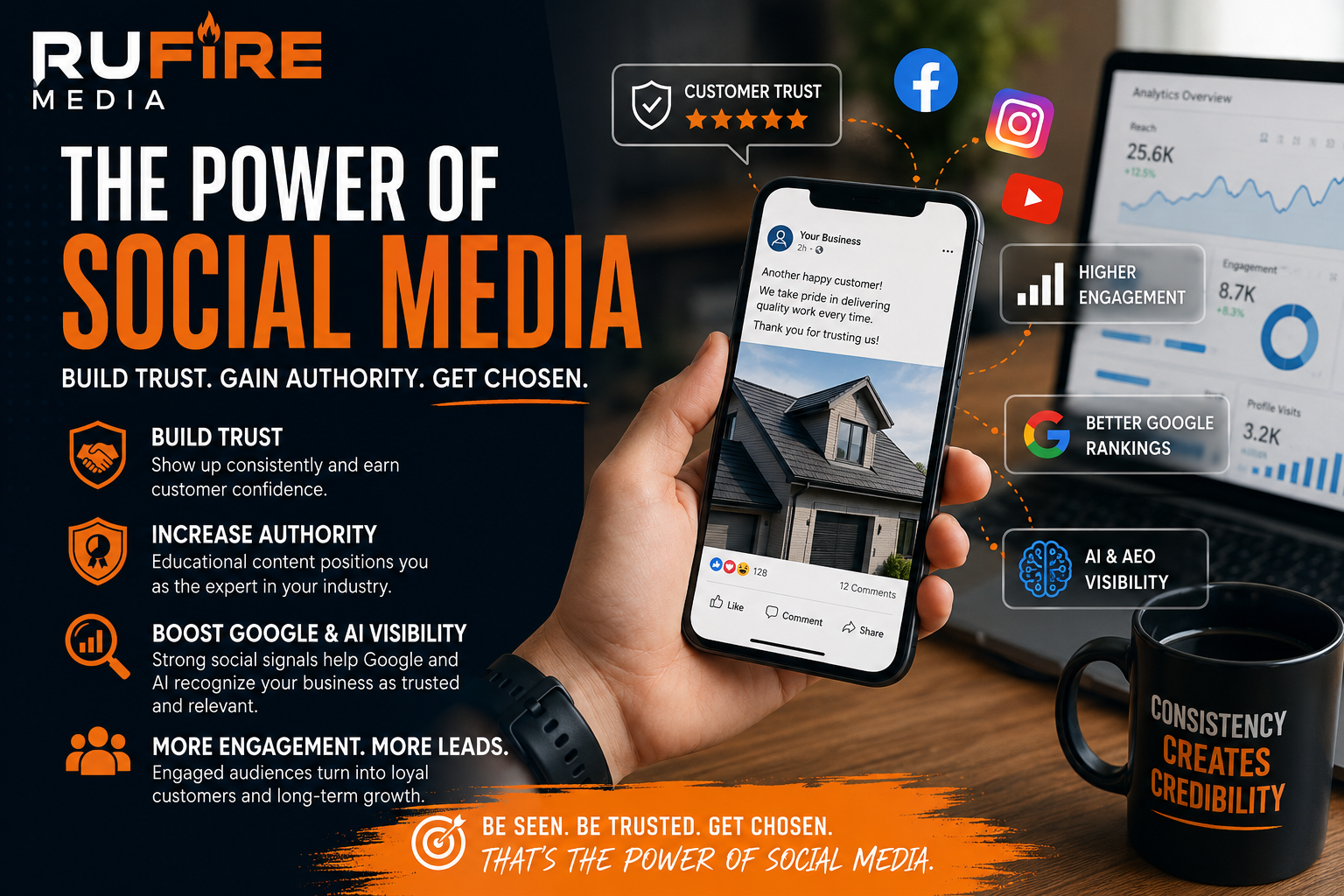
Social Media Marketing: Engaging Directly with Customers
Social media platforms like Facebook, Instagram, Twitter, and LinkedIn offer powerful tools for small businesses to reach potential and existing customers.
- Brand Awareness: Regular posts, stories, and updates help keep your brand top of mind.
- Customer Service: Social media allows for instant interaction, providing a platform for customer service inquiries and feedback.
- Targeted Advertising: Social media platforms offer advanced targeting options based on demographics, behaviors, and interests, which can be very cost-effective.
Email Marketing: Personalization at Its Best
Email marketing continues to offer one of the highest ROI among digital marketing strategies. It’s a direct line to your customers and can be personalized to fit their interests.
- Newsletter Campaigns: Keep your customers informed about new products, services, and special offers.
- Segmentation: Use data to segment your audience and tailor messages based on their preferences and behaviors.
- Automation: Automate welcome emails, thank you emails, and follow-ups to enhance customer engagement without increasing workload.
Leveraging Reviews and Testimonials
In the digital age, online reviews and testimonials significantly influence purchasing decisions.
- Reputation Management: Monitor and manage your online reviews across platforms like Yelp, Google, and industry-specific sites.
- Testimonials: Feature positive customer testimonials on your website and social media to build trust and credibility.
- Incentives: Encourage satisfied customers to leave positive reviews by offering incentives like discounts or freebies.
Analytics and Data-Driven Decisions
Lastly, no digital marketing strategy is complete without analytics. Tools like Google Analytics provide insights into your website’s performance, audience behavior, and more.
- Track Metrics: Key performance indicators like website traffic, conversion rates, and bounce rates can help you understand what’s working and what isn’t.
- A/B Testing: Regularly test different aspects of your marketing to find what best engages your audience.
- Feedback Loops: Use customer feedback to continually refine and improve your strategies.
Conclusion:
As we embrace 2023, the digital marketing landscape offers abundant opportunities for small businesses to grow and succeed. By implementing the strategies discussed—SEO, content marketing, social media marketing, email marketing, and leveraging reviews—small businesses can enhance their online presence, engage more deeply with customers, and drive substantial business growth.
Remember, the key to successful digital marketing is consistency and adaptability. Stay current with trends, continuously optimize your strategies, and always keep the needs of your customers at the forefront of your efforts. If you’re ready to take your small business to new heights, contact RuFire Media at 813-536-3942 or visit www.RuFireMedia.com for personalized assistance with your digital marketing needs.
Ready to work with RuFire Media?
Let's connect! We’re here to help.
Send us a message and we’ll be in touch.
Or give us a call today at 813-536-3942
Agency Contact Form
More Marketing Tips, Tricks & Tools

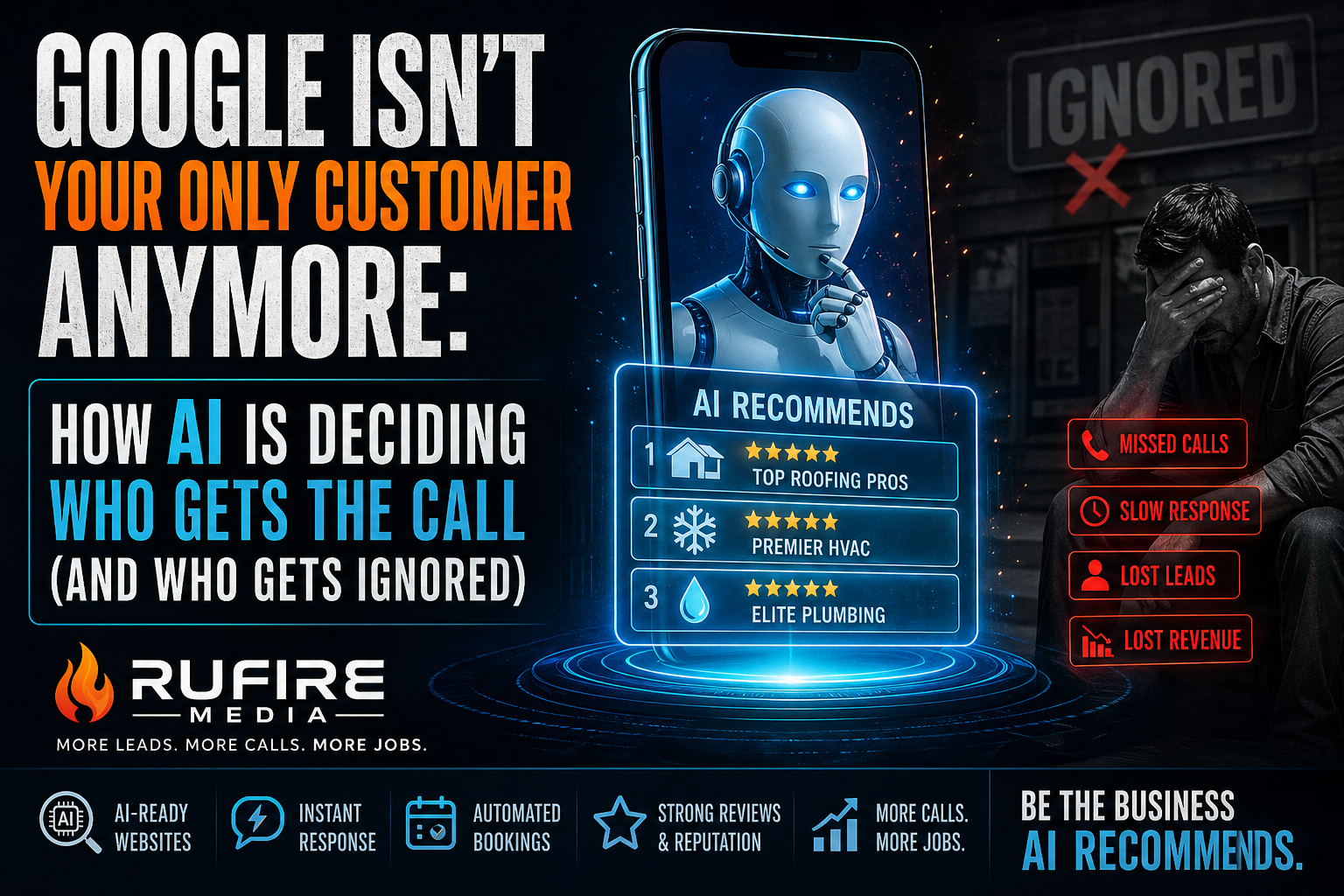
Google Isn’t Your Only Customer Anymore: How AI Is Deciding Who Gets the Call (And Who Gets Ignored)